

In This Article
Memory foam armrest pads vs gel armrest pads is a choice between two cushioning materials for chair arms. Memory foam is a slow-recovery polyurethane that moulds to your elbow and softens with warmth. Gel is a springy, resilient polymer that spreads pressure without leaning on body heat to do it.
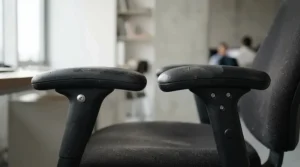
Hard plastic armrests are one of office furniture’s small cruelties. They look fine in the showroom. Then it’s 3 p.m. on a Thursday, your forearm has gone numb, and you’re hovering your elbow in mid-air like a nervous waiter.
A good pad fixes that, but the material underneath decides whether you get a cloud or a slowly warming sponge. Memory foam is essentially viscoelastic polyurethane, and its behaviour shifts with temperature. Gel plays by different rules, and each has a sweet spot and a sulking point.
This guide compares seven real, currently listed products across budget, mid-range and premium tiers. I built it from spec sheets and aggregated customer-review themes rather than pretend hands-on testing. Where I couldn’t verify a claim, I say so.
You’ll get a head-to-head on comfort, temperature regulation and pad longevity, plus a material guide, buying checklist, fitting tips and UK health-and-safety context. Prices are given as ranges only because they change constantly.
Quick Comparison: 7 Armrest Pads at a Glance
| Product | Core material | Cover and fit | Value tier (indicative) | Best For |
|---|---|---|---|---|
| Aloudy Ergonomic Memory Foam Armrest Pads | Memory foam | Velvet polyester, zip-off; stretch fit | Budget to mid | Everyday office use |
| Foamula Office Chair Armrest Pads | High-resilience memory foam | Wipe-clean faux leather; long Velcro | Budget | Spill-prone desks |
| Betteron Chair Arm Pads | Memory foam plus removable standard foam | Lycra; stretch edges | Premium | Long-term investment |
| BEAUTRIP Ergonomic Armrest Pads | Memory foam with cooling gel top | Detachable velvet or mesh cover; straps | Mid-range | Warm rooms, gamers |
| Everlasting Comfort Elevate Series | Gel-infused memory foam | Breathable fabric; double-sided fasteners | Mid-range | A sturdier, bouncier feel |
| Gelepad 3×6 | Pure gel | Stretch fabric; reusable adhesive | Mid-range (check listing) | Hard plastic arms, desk edges |
| Mind Reader Air-Cloud | Memory foam | Washable cover; Velcro straps | Mid-range | Medium-firm support |
Looking at the table, the split is clearer than the marketing suggests. Most “gel” pads are really memory foam with a gel layer on top, and only Gelepad 3×6 is gel all the way through. If you want proper cushioning on a tight budget, Aloudy Ergonomic Memory Foam Armrest Pads and Foamula Office Chair Armrest Pads are the obvious starting points. Betteron Chair Arm Pads is the pick if you’d rather buy once.
💬 Just one click — help others make better buying decisions too!😊
Top 7 Memory Foam and Gel Armrest Pads: Expert Analysis
1. Aloudy Ergonomic Memory Foam Armrest Pads — stretch-fit comfort without fuss
The standout here is simplicity: pull it on, zip it up, get on with your day. Each pad measures about 9.5 × 4.5 × 1.5 inches (roughly 24 × 11 × 3.8 cm) and is designed for arms around 6–10.5 inches. The velvet polyester cover has an invisible zip, so it comes off for machine washing.
That removable cover matters more than it sounds. It’s what stops a pad turning grubby and slightly sour after a year of warm hands. The 3.8 cm thickness also lifts your forearm noticeably, which helps if your desk sits high and hurts if it doesn’t.
Based on the spec comparison, this suits people with standard rectangular office arms who want one dependable upgrade. Reviewers on international Amazon listings often describe the feel as medium-firm and supportive, and several say the pads have outlasted their original armrests. Recurring caveats include a suspicion that the foam is a hybrid rather than classic slow-recovery memory foam, a smooth cover that can feel slippery, and slippage on chairs with nothing for the cover to grip.
Pros:
- ✅ Zip-off cover is machine washable
- ✅ Soft velvet finish feels pleasant on bare forearms
- ✅ Generous 1.5-inch thickness for hard arms
Cons:
- ❌ Raises arm height more than some desks tolerate
- ❌ May slide on arms without a gripping edge
Price: budget-to-mid range at the time of research, so check current price. Verdict: strong value if your arms are a standard shape.

2. Foamula Office Chair Armrest Pads — wipe-clean cover for spill-prone desks
If your desk is where coffee goes to die, the faux leather cover is the point. It’s described as waterproof and stain-resistant over high-resilience memory foam. A wipe with a damp cloth ends the drama.
Each pad is listed at about 11.81 × 3.15 × 2.36 inches (roughly 30 × 8 × 6 cm). That’s long and chunky, so it suits wide, flat armrests and adds real height. The extra-long Velcro straps and non-slip underside tackle the biggest complaint with cheap pads, which is slipping.
On paper, the trade-off is breathability. Wipe-clean synthetic covers generally breathe less than fabric ones, so in a warm room your forearms may feel clammy. Keep that in mind if you work somewhere toasty. Check desk clearance too, because 6 cm of foam on top of your existing armrest is a lot.
I couldn’t verify a meaningful body of independent customer reviews for this exact listing at the time of research, so treat its comfort claims as the seller’s rather than a settled consensus. It appeared via a UK Amazon deal listing, and promotional codes have been reported there.
Pros:
- ✅ Waterproof, stain-resistant cover wipes clean
- ✅ Long straps plus non-slip base
- ✅ Thick, supportive memory foam core
Cons:
- ❌ Synthetic cover likely warmer than fabric
- ❌ Independent review data is thin
Price: list nearer the mid-£20s at one deal listing, with discounts reported, so call it a budget-tier “under £30” range and check current price. Verdict: sensible for messy desks.
3. Betteron Chair Arm Pads — double-layer foam with an 8-year warranty
This is the grown-up option. The pair uses a double layer of viscoelastic memory foam plus a removable standard foam layer, in a Lycra cover with stretchy edges. It fits arms around 150–280 mm long.
The removable layer is the clever bit. You can fine-tune thickness, which matters when you’re trying to level your forearm with the desk without hunching your shoulders. Stretch edges also mean you avoid the strap-fiddling of cheaper pads.
The listed 8-year warranty is the standout number. I’d read it as manufacturer confidence rather than independent proof of lifespan, but it’s far beyond the typical budget pad’s cover. Posturite describes the pads as helping reduce pressure points, which fits what you’d expect from a decent foam pair.
Who is it for? Anyone who sits at a desk for most of their working week and wants to buy once. Home-office workers on tight budgets may balk at the cost. I couldn’t verify a large pool of independent reviews, so check the current listings, including on amazon.co.uk, as stock varies between ergonomic specialists and marketplaces.
Pros:
- ✅ Removable foam layer lets you adjust height
- ✅ Stretch edges make fitting easy
- ✅ Long 8-year warranty as listed
Cons:
- ❌ Highest upfront cost in this group
- ❌ Independent review data not verified
Price: roughly the £35–£42 range at one UK specialist retailer, sale versus standard. Verdict: the premium pick for long-term value.
4. BEAUTRIP Ergonomic Armrest Pads — memory foam with a cooling gel top
This is the hybrid for people who run warm. A memory foam core carries a cooling gel layer on top, in an arc-contoured shape designed to cradle wrist, forearm and elbow. Covers are detachable, in breathable velvet or mesh, and Velcro straps fit arms around 3–6 inches wide.
The arc shape also acts as a riser, which is handy if your arms sit too low and awkward if they don’t. Reviewers on international listings broadly praise the comfort and easy installation, though several call the pads tall. One noted that the extra height left their shoulders slightly hunched.
The gel reportedly isn’t icy. Instead, it takes the edge off that sticky, elbows-glued-to-the-chair feeling in long sessions. Treat the longevity warning seriously, though. One reviewer reported that the mesh over the gel eventually wears through, and direct skin contact then makes the gel turn sticky. Another noted the sewn-in straps and asymmetrical shape mean you can’t swap pads left to right.
Pros:
- ✅ Gel top layer reduces that sticky-arm feeling
- ✅ Contoured arc supports wrist and forearm
- ✅ Removable breathable cover
Cons:
- ❌ Fairly tall; may hunch your shoulders
- ❌ Gel can turn sticky if the cover wears
Price: mid-range at the time of research, so check current price. Verdict: a strong all-rounder for warm rooms if you replace worn covers promptly.
5. Everlasting Comfort Elevate Series — sturdier rebound from gel-infused foam
The standout is the foam’s feel. It’s marketed as OEKO-TEX certified memory foam with a cooling gel layer. The pads measure 9.5 × 3 × 1.5 inches (roughly 24 × 7.5 × 3.8 cm), with non-slip backing and double-sided fasteners.
The 3 inches of width is narrower than some rivals, so check your arm width before ordering. The certification suggests the materials were screened for harmful substances, though it says nothing about comfort or lifespan.
Reviewers on international listings tend to say the foam feels sturdier, so elbows don’t sink as far and the pads rebound faster. Some describe it as a clear step up from plain foam pads. They report fitting oddly shaped armrests with success, and some double up two pairs for extra height. One recurring complaint is that the Velcro can snag or rub clothing.
For the memory foam armrest pads vs gel armrest pads question, this model sits in the middle. You get gel’s reported bounce with foam’s moulding, which suits people who dislike the sinking feeling of softer pads.
Pros:
- ✅ Firmer, quicker rebound than plain foam
- ✅ OEKO-TEX certified foam listed
- ✅ Fits some unusual arm shapes
Cons:
- ❌ Velcro can catch on clothing
- ❌ Narrower than several rivals
Price: mid-range at the time of research, so check current price. Verdict: a good fit if you want support rather than squish.

6. Gelepad 3×6 — the only true gel option here
This is the odd one out, and that’s why it’s included. It’s medical-quality gel under a 4-way stretch, low-friction, stain-resistant fabric, about half an inch thick. A pebbled surface gives a cooling touch, and the maker says the gel’s rebound stops it bottoming out.
The key catch is attachment. It uses reusable adhesive, which sticks to hard surfaces like plastic armrests and desk edges but not fabric. A separate Universal Base accessory with straps exists, but it’s only listed as compatible with the 2″ × 9″ and 3″ × 8″ sizes, not this 3″ × 6″.
That makes it a specialist. It’s brilliant as a slim, wash-and-reuse pad on a hard plastic arm or the sharp edge of a desk. It’s the wrong choice if you want thick, strap-on cushioning. The maker says it can be hand washed and air dried, and that rubbing alcohol revives tired adhesive, which bodes well for longevity.
I couldn’t verify a large independent review pool for the UK listing.
Pros:
- ✅ True gel with a cooling-feel pebble surface
- ✅ Hand washable; adhesive restorable
- ✅ Slim enough not to raise arm height much
Cons:
- ❌ Adhesive won’t stick to fabric armrests
- ❌ Only half an inch of cushioning
Price: I couldn’t verify a current UK price, so check the listing. Verdict: ideal for hard plastic arms and desk edges, not a general replacement.
7. Mind Reader Air-Cloud — medium-firm support that claims to resist flattening
The standout is its firmness. It’s described as medium-firm, 1.5 inches thick memory foam, sold as a pair (about 10.25 × 3.25 inches each). It has an anti-slip underside and 13.25-inch adjustable Velcro straps, plus a washable cover.
The makers claim the flexible memory foam retains its shape and resists flattening. That’s a marketing promise rather than independent evidence, so I’d file it under “plausible, unproven”. Medium-firm is a good sign for people who dislike marshmallow-soft pads, because a firmer foam supports the forearm instead of letting the elbow sink onto the hard arm below.
The 3.25-inch width is on the narrow side, so measure first. I couldn’t verify a robust set of independent reviews. UK stock may be patchy compared with the other products here, so check availability on amazon.co.uk before you plan around it.
Its slim profile suits people whose desks are already low. In my analysis it’s the choice for someone who’s tried soft pads and found them mushy.
Pros:
- ✅ Medium-firm 1.5-inch foam supports the forearm
- ✅ Adjustable straps with anti-slip base
- ✅ Washable cover included
Cons:
- ❌ Narrow width limits arm fit
- ❌ UK availability and reviews unverified
Price: mid-range at the time of research, so check current price. Verdict: worth a look if you dislike very soft pads.
Memory Foam vs Gel Comfort Comparison: How They Actually Feel
Here’s the memory foam vs gel comfort comparison in a nutshell. Foam hugs you slowly. Gel pushes back politely.
| Feature | Memory foam | Gel | Best For |
|---|---|---|---|
| Feel under the elbow | Moulds slowly, cradling | Springy, rebounds quickly | Foam: sinking comfort; gel: quick rebound |
| Pressure spreading | Distributes load as it warms | Distributes load immediately | Gel: short sessions; foam: long, still sitting |
| Thickness | Often 1.5 in or more | Often slim (half an inch) | Foam: raising height; gel: low desks |
| Cleaning | Removable cover on many models | Wipe or hand wash | Gel: quick cleaning |
| Attachment | Straps or stretch | Adhesive or straps | Foam: fabric arms; gel: hard arms |
Memory foam is slow-recovery, which is why it feels so adaptive. The Polyurethane Foam Association explains that viscoelastic foam responds noticeably to temperature. The practical result is that pads feel firmer when cold and softer once your forearm warms them.
Gel doesn’t rely on that. According to the makers of Gelepad 3×6, gel conforms without bottoming out and snaps back, which suits people who shift position constantly. Hybrids like BEAUTRIP Ergonomic Armrest Pads and Everlasting Comfort Elevate Series try to capture both.
My reading: if you sit relatively still and type, memory foam armrest pads win on cradling comfort. If you fidget, game or switch between tasks, gel’s bounce may feel more natural. Neither is universally “better”, and the right answer depends on how you sit.
Temperature Regulation: Which Armrest Pad Stays Cooler?
Temperature regulation is where the marketing gets slippery. “Cooling gel” suggests ice. Reality is gentler.
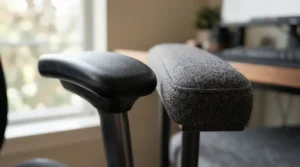
Memory foam traps warmth by design, because its softening depends on being warmed by your arm. Open-cell polyurethane structures can let air move, but a dense pad under a bare forearm will still build heat in a warm room. Covers matter just as much as cores. Velvet and mesh covers breathe, while wipe-clean synthetic covers like the one on Foamula Office Chair Armrest Pads are likely to feel warmer on paper.
Gel behaves differently. It doesn’t need your heat to work, and the pebbled surface on Gelepad 3×6 is described as giving a cooling touch. Reviewers of BEAUTRIP Ergonomic Armrest Pads say the gel layer isn’t icy but does reduce the sticky, clammy feeling. That’s a realistic expectation: a modest improvement rather than air conditioning.
The trade-off is that gel can feel cool at first and then warm to skin temperature. It isn’t a refrigeration device.
Practical takeaways:
- In a warm home office or summer loft, favour a breathable cover over a heavily marketed core.
- In a chilly room, foam may feel firmer until it warms up.
- If heat is your main complaint, pick a hybrid or a gel pad with a fabric cover.
Pad Longevity: How Long Will Armrest Pads Last?
Pad longevity is the least-documented part of this whole category. I couldn’t find independent laboratory data on armrest pad lifespans, so what follows is reasoning from real specs and reviewer reports.
Foam typically fails by gradually compressing and losing rebound, especially in thin or low-density pads. Reviewers of Aloudy Ergonomic Memory Foam Armrest Pads describe months of daily use without visible wear, while Mind Reader Air-Cloud claims its foam resists flattening. Betteron Chair Arm Pads backs itself with an 8-year warranty as listed, which is the strongest durability signal here.
Gel has a different failure mode. A reviewer of BEAUTRIP Ergonomic Armrest Pads reported that once the mesh wore through, skin contact made the gel sticky. The maker of Gelepad 3×6 says its adhesive can be restored with rubbing alcohol, which helps, but only for the sticking, not the cushioning.
Here’s an illustrative cost-of-ownership calculation. A pair costing around £20 that lasts two years works out near £10 a year. A £40 pair lasting six years is nearer £7 a year. Those are my arithmetic, not measured lifespans.
Buy a washable cover and replace pads when the foam stays dented for hours. A flattened pad does nothing, and a sticky gel pad is worse than none.
Armrest Pad Material Guide: Cores, Covers and Fasteners
This armrest pad material guide breaks every pad into three layers, because the combination decides the experience.
Cores
- Memory foam: viscoelastic polyurethane that moulds slowly and responds to temperature.
- Gel-infused or gel-topped foam: a hybrid, as in Everlasting Comfort Elevate Series.
- Pure gel: dense, springy, as in Gelepad 3×6.
- Standard foam layers: often used underneath, as in Betteron Chair Arm Pads, to add height cheaply.
Covers
- Velvet polyester: soft, washable, fairly breathable.
- Mesh: the most breathable, but reportedly the weak link when it wears.
- Faux leather: wipeable, probably warmer.
- Lycra or stretch fabric: easy fitting, snug on varied shapes.
Fasteners
- Velcro straps: flexible, but can catch clothing.
- Stretch fit: simple, but needs a chair arm with a lip to grip.
- Adhesive: neat and slim, but hard surfaces only.
Look for certifications, such as the OEKO-TEX claim on Everlasting Comfort Elevate Series, if you’re sensitive to materials. Also watch the width. Several pads here are narrow, so a measured fit beats a guessed one every time.
Best Material for Armrest Pads: A Decision Framework
There isn’t one best material for armrest pads, only a best match for your situation. Use this framework.
- If you sit still and type all day, choose memory foam, because it cradles and spreads load over long periods.
- If you fidget, game or shift often, choose a gel-topped hybrid or gel, because a quicker rebound feels less like wading.
- If your office runs warm, choose a breathable cover plus a gel layer, such as BEAUTRIP Ergonomic Armrest Pads.
- If your arms are hard plastic and low, choose slim pure gel, such as Gelepad 3×6.
- If you want one purchase for years, choose Betteron Chair Arm Pads and its warranty.
- If spills are your life, choose a wipeable cover, as on Foamula Office Chair Armrest Pads.
Simple rule: match the core to your sitting style and the cover to your room temperature. Most people over-think the core and under-think the cover.
✨ Don’t Miss These Exclusive Deals!
🔍 Take your desk comfort to the next level with these carefully selected pads. Click on any highlighted product name to check current pricing and availability. These picks will help you create a comfortable workspace you’ll actually enjoy sitting at!
How to Choose Memory Foam Armrest Pads vs Gel Armrest Pads
When you’re weighing memory foam armrest pads vs gel armrest pads, work through these steps in order.
- Measure your armrests. Length and width decide whether pads fit, and several here are narrow.
- Check the attachment. Fabric-covered arms need straps or stretch fit; adhesive suits hard surfaces only.
- Calculate the height. Pads add 1.5 inches or more, so check your forearm still sits level with the desk.
- Pick the core for your sitting style. Foam for still sitting, gel for movement.
- Prioritise the cover. Removable and washable beats fixed, and breathable beats synthetic in warm rooms.
- Weigh the warranty and reviews. Long warranties signal confidence, and verified reviews matter more than star counts.
- Check current price. Use ranges as a guide and don’t assume any link gets you a better price.
Mind the posture side too. HSE’s display screen equipment guidance (L26) is the framework behind UK workstation assessments, and UK workplace guides based on it say armrests shouldn’t stop you getting close to the desk. Adding thick pads makes that harder, so test your fit before committing.
Common Mistakes When Buying Armrest Pads
A few pitfalls trip up nearly everyone.
Buying on core material alone. Two pads with “memory foam” in the title can feel completely different. One reviewer of Aloudy Ergonomic Memory Foam Armrest Pads wondered whether the foam was a hybrid rather than classic memory foam, so read between the lines of the listing.
Ignoring height. Reviewers of BEAUTRIP Ergonomic Armrest Pads noted the pads can hunch the shoulders. A pad that fixes your elbows and wrecks your neck isn’t a win.
Mismatching adhesive and surface. Gelepad 3×6 won’t stick to fabric arms, and no amount of pressing will change that.
Trusting “cooling” literally. Gel reduces stickiness, not temperature, so set expectations accordingly.
Skipping the cover. A non-removable cover on a pad you’ll rest sweaty arms on is a hygiene gamble.
Forgetting slippage. One reviewer reported pads sliding off arms with no lip to grip. If your arms are smooth and curved, look for strap-based designs like Mind Reader Air-Cloud.
Assuming cheaper means worse, or pricier means better. Verify with specs and verified review themes rather than price tags.
Armrest Pads vs Bare Plastic Armrests: Is It Worth It?
| Aspect | Bare plastic armrests | Memory foam pads | Gel pads | Best For |
|---|---|---|---|---|
| Elbow comfort | Hard, pressure points | Cradling, moulds over time | Springy, immediate | Pads over bare arms |
| Height adjustment | Fixed | Adds 1.5–2.4 in | Adds about 0.5 in | Foam for big lifts |
| Armrest protection | Exposed to wear | Covered | Covered | Pads protect old chairs |
| Cleaning | Wipe | Wash cover | Wipe or hand wash | Gel for quick cleaning |
| Cost | Free | Budget to premium | Mid-range | Foam for most budgets |
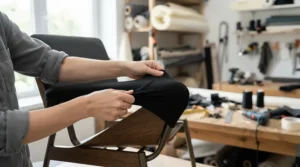
The comparison shows pads justify themselves in two situations: when your arms are hard and painful, and when you want to extend an otherwise sound chair. One reviewer of Aloudy Ergonomic Memory Foam Armrest Pads said their original armrests cracked within a month while the pads showed no wear, which is a neat illustration of pads as protection. Another noted that leaving a blanket off the arms helped preserve the chair arms. If your arms are already soft and level with the desk, though, pads may add height you don’t need. For desks with sharp edges, Gelepad 3×6 is a smart, slim alternative.
Practical Usage Guide: Fitting, Cleaning and Maintenance
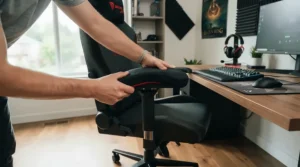
Setup. Slide the pad on, wrap the strap around the arm, and tighten until it doesn’t move under a firm push. For stretch-fit pads like Betteron Chair Arm Pads, pull the stretchy edges over fully so they grip.
First-use tips. Sit at your desk and check your forearm is roughly level. If your shoulders rise, remove a layer or swap to thinner pads. The removable foam layer in Betteron Chair Arm Pads makes this easy.
Cleaning.
- Zip-off covers (as on Aloudy Ergonomic Memory Foam Armrest Pads and Mind Reader Air-Cloud): follow the label, then air dry.
- Faux leather (as on Foamula Office Chair Armrest Pads): wipe with a damp cloth.
- Gel pads like Gelepad 3×6: the maker says hand wash and air dry, then restore the adhesive with rubbing alcohol if it weakens.
Maintenance schedule.
- Weekly: check straps for creep.
- Monthly: wash covers, and rotate pads left to right where the design allows (not on asymmetrical pads such as BEAUTRIP Ergonomic Armrest Pads).
- Every six months: press the foam. If the dent lingers, plan a replacement.
Common first-30-day mistakes: over-tightening straps until they crush the foam, and leaving gel pads in direct sun, which isn’t recommended for any foam product.
Real-World Scenarios: Matching Pads to Your Day
Scenario 1: The home-office worker. Eight hours at a desk, hard plastic arms, a mid-range budget. Based on the specs, a memory foam pair with a removable cover, such as Aloudy Ergonomic Memory Foam Armrest Pads, covers comfort and washing. If the room runs warm, a gel-topped pad like BEAUTRIP Ergonomic Armrest Pads is worth the premium.
Scenario 2: The PC gamer. Long sessions, constant movement, sweaty palms. A bouncier pad suits this rhythm, and Everlasting Comfort Elevate Series matches its reported firmer rebound. Choose breathable covers, and watch the Velcro against your sleeves.
Scenario 3: The student on a budget. Shared desk chair, spills likely, a very small budget. Foamula Office Chair Armrest Pads offers a wipe-clean cover, and the thick foam works on a hard college chair. Accept that its independent review data is thin.
Scenario 4: The long-term buyer. Dedicated workspace, several years’ use planned. The extended warranty on Betteron Chair Arm Pads makes the higher upfront cost easier to justify.
Scenario 5: The slim-desk user. Low desk, hard arms, little room for height. Gelepad 3×6 adds protection without much lift, as long as the arms are hard plastic.
Problem → Solution: Fixing Common Armrest Pad Annoyances
Problem: pads slide around. Solution: choose a strap-based design with a non-slip underside, such as Mind Reader Air-Cloud or Foamula Office Chair Armrest Pads. One reviewer reported slippage on arms with no lip for the cover to grip, so stretch-fit pads aren’t ideal for smooth, curved arms.
Problem: your shoulders creep up. Solution: pads add height. Remove a layer on Betteron Chair Arm Pads, drop the chair arm if it adjusts, or choose a slim pad like Gelepad 3×6.
Problem: sticky, warm forearms. Solution: choose a breathable cover, and consider a gel-topped hybrid like BEAUTRIP Ergonomic Armrest Pads. Don’t expect an ice pack.
Problem: velcro snags your sleeves. Solution: reviewers of Everlasting Comfort Elevate Series mention this. Tuck excess strap under the pad, or fold the Velcro tab inwards.
Problem: gel turning sticky. Solution: replace the cover as soon as the mesh wears, since a reviewer of BEAUTRIP Ergonomic Armrest Pads reports skin contact with worn gel gets unpleasant.
Problem: adhesive pad lifting. Solution: for Gelepad 3×6, wash gently and restore with rubbing alcohol per the maker’s guidance, and only use it on hard surfaces.
Ergonomics, Safety and UK Guidance on Armrest Pads
Armrest pads are comfort aids, not medical devices. They also sit within a wider ergonomic picture.
On the workstation side, UK guidance built on the Display Screen Equipment regulations says armrests shouldn’t prevent you getting close enough to the desk. If they do, lower or remove them. Thick pads can push you away from the keyboard, so check your position after fitting.
On the health side, leaning on hard surfaces can compress the ulnar nerve at the elbow. An NHS Scotland patient leaflet on cubital tunnel syndrome lists leaning your arm against a table as a cause. It suggests avoiding hard surfaces, or wearing an elbow pad over the “funny bone”, as a self-help step for mild cases. A cushioned armrest pad serves the same principle, so memory foam armrest pads vs gel armrest pads is really a question of which cushion you’ll actually keep using.
If you notice persistent pain, numbness or tingling in your ring and little fingers, speak to your GP or a pharmacist rather than relying on padding. Foam is also combustible like other polyurethane products, so keep pads away from open flames and heaters.
FAQ
❓ Are memory foam armrest pads or gel armrest pads better for all-day typing?
❓ Are cooling gel armrest pads worth paying extra for?
❓ How much should I spend on armrest pads in the UK?
❓ Can armrest pads fit gaming chairs and wheelchairs?
❓ How often should I replace armrest pads?
Conclusion
Here’s the short version of memory foam armrest pads vs gel armrest pads. Memory foam suits still, long sessions and varied arm shapes. Gel suits movement, quick rebound and hard-surface arms. Hybrids try to give you both, with realistic cooling expectations.
For most people, Aloudy Ergonomic Memory Foam Armrest Pads is the safest everyday pick, and Foamula Office Chair Armrest Pads wins on wipe-clean practicality. Betteron Chair Arm Pads is the long-game investment, BEAUTRIP Ergonomic Armrest Pads and Everlasting Comfort Elevate Series serve warm or restless sitters, Mind Reader Air-Cloud suits firm-foam fans, and Gelepad 3×6 is the specialist for hard plastic arms.
Whichever you choose, measure your armrests, check desk clearance, and favour a washable, breathable cover. And keep your expectations honest: a pad is a comfort upgrade, not a cure.
✨ Ready to give your elbows the upgrade they deserve?
🔍 Click any highlighted product name above to check current pricing and availability, and find the pad that suits how you actually sit.
Recommended for You
- Office Chair Armrest Pads: 7 Best Picks For Sore Elbows (2026)
- Locking Office Chair Castors: 7 Best Picks That Stay Put (2026)
- Quietest Office Chair Castors: 7 Best Silent Picks For 2026
Disclaimer: This article contains affiliate links. As an Amazon Associate, I earn from qualifying purchases. If you purchase products through these links, we may earn a small commission at no additional cost to you.
✨ Found this helpful? Share it with your friends! 💬🤗
