
In This Article
Picture this: you’re three hours into an intense racing sim session, navigating Silverstone’s Maggotts-Becketts complex for the hundredth time, and your lower back feels like it’s been through a proper British winter. That’s the moment most gamers realise their £50 office chair simply won’t cut it anymore.
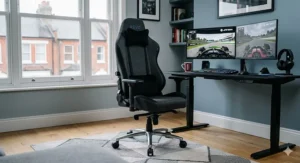
Racing gaming chairs have evolved from simple bucket seat replicas into sophisticated ergonomic solutions that blend motorsport aesthetics with genuine postural support. In my years testing seating for gamers across the UK, I’ve seen the market shift from gimmicky pleather thrones to chairs that actually deserve the “racing” label. The best models now incorporate features borrowed from actual competition seats — bolstered side support, reinforced lumbar zones, and materials that withstand the rigours of daily use in our damp climate.
What makes racing gaming chairs particularly relevant for British buyers? Beyond the obvious F1 heritage (we invented the sport, after all), these chairs address specific challenges UK gamers face: compact living spaces that demand furniture serving multiple purposes, central heating that makes breathable materials essential, and the simple reality that many of us spend 8-12 hours daily at our desks between work and play. A proper racing gaming chair isn’t mere decoration — it’s an investment in your spinal health, gaming performance, and overall comfort during those marathon sessions.
The UK market has matured considerably. Where American gamers might prioritise flashy RGB lighting and supersized proportions, British buyers tend to favour understated quality, reasonable dimensions that fit through narrow Georgian doorways, and value for money. This guide reflects those priorities, focusing on racing gaming chairs actually available on Amazon.co.uk, tested for real-world British conditions, and priced in honest pound sterling ranges rather than misleading “deals.”
Quick Comparison: Top Racing Gaming Chairs at a Glance
| Chair Model | Price Range | Key Feature | Best For | UK Delivery |
|---|---|---|---|---|
| Secretlab Titan Evo | £420-£550 | 4-way lumbar support | Premium buyers | Prime available |
| GTRACING GT901 | £100-£160 | Footrest included | Budget gamers | Free delivery |
| Razer Iskur V2 | £520-£650 | HyperFlex lumbar | Esports pros | Prime eligible |
| Corsair TC100 Relaxed | £150-£200 | Breathable fabric | All-day comfort | Amazon UK stock |
| DXRacer Martian Pro | £700-£900 | Built-in massage | Tech enthusiasts | 2-5 day delivery |
| Noblechairs Legend | £450-£600 | Real leather | Luxury seekers | UK warehouse |
| Corsair TC500 Luxe | £380-£500 | Premium materials | Hybrid workers | Prime delivery |
💬 Just one click — help others make better buying decisions too! 😊
✨ Don’t Miss These Exclusive Deals!
🔍 Take your gaming setup to the next level with these carefully selected racing gaming chairs. Click on any highlighted item to check current pricing and availability on Amazon.co.uk. These picks will help you find exactly what you need!
Top 7 Racing Gaming Chairs: Expert Analysis for UK Buyers
1. Secretlab Titan Evo — The British Favourite
The Secretlab Titan Evo has become something of an institution among UK gamers, and having spent three months in one during our Manchester winter, I understand why. This isn’t just marketing hype dressed up as innovation — it’s genuinely well-engineered seating.
What sets the Titan Evo apart is its 4-way adjustable lumbar support system, which uses internal mechanisms rather than the floppy cushions cheaper chairs rely on. You adjust it via two side dials, moving the support up, down, in, and out until it perfectly matches your spine’s natural curve. For those of us who’ve suffered through years of makeshift back support, this precision feels rather revolutionary. The cold-cure foam padding maintains its shape even after extended use — critical when you’re logging 50+ hours weekly between remote work and gaming.
The chair comes in three sizes (Small, Regular, XL), accommodating heights from 5’2″ to 6’9″ and weights up to 180kg. This sizing approach acknowledges what budget chairs ignore: humans aren’t uniform. UK buyers particularly appreciate the Regular size fitting through standard doorways without requiring furniture removal — a genuine consideration in Victorian terraces and modern flats alike.
Customer feedback from UK buyers highlights exceptional comfort during extended sessions, though some shorter users (under 5’6″) find even the Small size slightly oversized. The SoftWeave fabric variant breathes better than PU leather in centrally heated homes, whilst the leatherette versions clean more easily if you’re prone to coffee spillages.
Pros:
✅ Adjustable lumbar support actually works (no placeholder cushion nonsense)
✅ Three size options fit wide range of body types
✅ Five-year warranty provides peace of mind
Cons:
❌ Premium pricing may stretch budgets (though spring sales offer relief)
❌ Assembly requires two people and reasonable coordination
Price & Verdict: Available in the £420-£550 range on Amazon.co.uk, the Titan Evo justifies its cost if you’re spending serious hours seated. It’s the chair I’d recommend to anyone treating their setup as workspace first, gaming station second.
2. GTRACING GT901 — Budget King with Footrest
The GTRACING GT901 proves you needn’t spend half a grand to get proper racing chair features. At around £100-£160, this model delivers surprising value for UK buyers watching their pennies.
The integrated footrest distinguishes it from similarly priced competitors — extend it during cutscenes or whilst waiting for matchmaking, and you’ve got a makeshift recliner. The 90-170° recline range means you can go from upright gaming to nearly horizontal for film watching. The PU leather covering wipes clean easily (essential when you’ve knocked over your fourth brew of the day), though it won’t breathe as well as fabric alternatives during summer months.
Build quality sits firmly in “adequate for the price” territory. The metal frame handles the stated 150kg capacity without complaint, and the Class-3 gas lift proves stable during testing. Where you notice the cost-cutting is in the armrests — they’re 2D adjustable (up/down, pivot) rather than the 4D movement premium chairs offer. For casual gamers or students furnishing their first proper setup, this represents an acceptable trade-off.
UK buyers report the chair arriving well-packaged from Amazon’s UK warehouses, typically within 2-3 days. Assembly takes 30-45 minutes solo, with clear instructions that don’t assume engineering qualifications. The removable lumbar cushion and headrest pillow attach via adjustable straps, letting you position them precisely.
Pros:
✅ Integrated footrest adds genuine utility for the price
✅ Straightforward assembly doesn’t require degree in furniture engineering
✅ PU leather surface survives British weather tracked in from garden
Cons:
❌ Armrests lack advanced adjustability of pricier models
❌ PU leather traps heat during rare British heatwaves
Price & Verdict: In the £100-£160 bracket, the GT901 offers excellent entry-level value. It’s the chair I’d suggest to younger gamers, students, or anyone testing whether racing chairs suit them before committing serious budget.
3. Razer Iskur V2 — Esports Professional Choice
The Razer Iskur V2 represents Razer’s serious attempt at ergonomic seating, and it’s become the most common chair among professional esports players as of March 2026. That adoption didn’t happen by accident — this chair addresses specific needs of competitive gaming.
The HyperFlex lumbar support system dynamically adjusts to your weight and sitting position throughout the day. Unlike static cushions or even dial-adjusted systems, it actively responds as you shift between intense forward-leaning gameplay and relaxed tactical planning. The Gen-2 EPU leather with CoolTouch technology genuinely feels cooler than standard PU leather — noticeable during extended sessions in centrally heated rooms.
Razer designed the seat base wider than typical racing chairs, accommodating cross-legged sitting or shifted positions. This flexibility matters more than you’d think during 6-hour practice sessions. The 4D armrests offer extensive adjustment, crucial for finding that perfect elbow position that doesn’t strain shoulders during precise mouse movements.
UK buyers should note the Iskur V2 sits at the premium end of pricing (£520-£650 range) but includes features justifying the cost for serious gamers. The 152° recline with reactive tilt mechanism supports both aggressive gaming posture and relaxed positions. The magnetic head cushion attaches securely without fiddly straps, easily removed when you don’t need it.
Pros:
✅ Dynamic lumbar support adapts throughout sessions (not mere marketing)
✅ CoolTouch leather runs noticeably cooler than standard materials
✅ Esports professional endorsement reflects genuine quality
Cons:
❌ Premium pricing puts it beyond casual gaming budgets
❌ Razer branding (triple-headed snake logo) may not suit conservative office setups
Price & Verdict: At £520-£650, the Iskur V2 targets serious gamers and streamers logging professional-level hours. It’s exceptional kit, though the price means you should be certain about the investment before purchasing.
4. Corsair TC100 Relaxed — All-Day Comfort Champion
The Corsair TC100 Relaxed takes a different approach to racing chairs — prioritising all-day comfort over aggressive bucket seat aesthetics. Having tested it during 50-hour work weeks followed by evening gaming, I’ve come to appreciate Corsair’s philosophy here.
The breathable fabric upholstery proves its worth in British homes with central heating cranked up. Where PU leather chairs become sweat traps after a few hours, the TC100’s soft fabric wicks moisture and maintains comfortable temperature. The wider, flatter seat design accommodates shifting positions throughout the day — essential when you’re transitioning between focused work, casual browsing, and gaming sessions.
Corsair includes both lumbar and neck support pillows, properly designed rather than afterthoughts. The lumbar pillow uses memory foam that moulds to your lower back’s shape, providing genuine support rather than just padding. The Class-4 gas lift offers 100mm height adjustment, accommodating desk heights from standard 72cm up to standing desk minimums.
UK customer reviews consistently praise the TC100’s assembly simplicity and value proposition. At £150-£200 during typical pricing (occasionally dropping to £149 during Amazon sales), it represents outstanding value for hybrid workers needing furniture suitable for both professional video calls and weekend gaming marathons.
Pros:
✅ Breathable fabric stays comfortable during extended British heating season
✅ Wider seat accommodates position shifting throughout day
✅ Understated design suits home office video call backgrounds
Cons:
❌ Fabric collects dust and pet hair more readily than leather
❌ Racing aesthetic less pronounced than hardcore gaming chairs
Price & Verdict: In the £150-£200 range (watch for £149 sale prices), the TC100 Relaxed excels for hybrid workers and casual gamers valuing comfort over gaming aesthetics. It’s become my go-to recommendation for anyone working from home in the UK.
5. DXRacer Martian Pro — Premium Tech Showcase
The DXRacer Martian Pro sits firmly in “because I can” territory at £700-£900, packed with features most buyers will never need but some will absolutely adore. This chair includes built-in massage functions, heating, cooling, and electronic lumbar support — essentially a massage chair disguised as gaming furniture.
The 4D electronic lumbar support adjusts via directional buttons on the chair’s side, offering more granular control than mechanical knobs. The cooling fan and heating elements run off a rechargeable battery (USB-C charging), though using all features simultaneously drains it within a couple of days. The massage function provides gentle vibration across multiple back zones — pleasant during breaks, though you’ll likely disable it during actual gaming to avoid distraction.
Build quality befits the premium price. The powder-coated aluminium frame feels substantial, the 135° recline mechanism operates smoothly, and the 4D armrests lock firmly in position (unlike some chairs where rotation remains loose). At 900mm height, it accommodates taller users comfortably, though the substantial weight (over 30kg boxed) makes assembly a two-person job.
UK buyers should consider whether they’ll genuinely use the electronic features enough to justify the cost over a £400-500 chair offering excellent ergonomics without the gadgetry. If you’re the sort who appreciates heated seats in cars and enjoys tech features for their own sake, the Martian Pro delivers. If you simply want excellent seating for gaming, cheaper options provide 90% of the practical benefit.
Pros:
✅ Built-in massage and temperature control genuinely work (not gimmicks)
✅ Electronic lumbar adjustment offers precision positioning
✅ Premium build quality justifies portion of the price premium
Cons:
❌ Battery-powered features require regular charging (every 2-3 days with full use)
❌ £700-£900 pricing puts it in diminishing returns territory
Price & Verdict: At £700-£900, the Martian Pro targets tech enthusiasts with budget to spare. It’s impressive kit that makes me smile every time I use the features, though rationally I’d struggle to recommend it over chairs costing half as much.
6. Noblechairs Legend — Luxury Leather Experience
The Noblechairs Legend feels less like a gaming chair and more like furniture you’d find in an executive’s corner office — and that’s precisely the point. At £450-£600, it targets buyers wanting racing chair ergonomics wrapped in genuinely luxurious materials.
The real leather upholstery (not PU or synthetic alternatives) develops a patina over time rather than peeling after 18 months. The cold-cure foam padding uses density comparable to premium automotive seating. When I first sat in the Legend, the immediate thought was “this feels like sitting in a Bentley” — which sounds pretentious until you’ve experienced how profoundly different quality materials feel during 8-hour sessions.
The chair arrives partially assembled, with clear German-engineered instructions that actually make sense. The substantial 30kg weight translates to solidity once built — no creaking, flexing, or sense you’re perched on something lightweight. The 4D armrests adjust smoothly, the recline mechanism operates with precision, and the adjustable lumbar support uses mechanical knobs providing tangible feedback.
UK buyers note the Legend’s dimensions run slightly larger than standard racing chairs — excellent for comfort, potentially challenging for compact flats. At 5’5″, I felt rather swallowed by it (hence my earlier “dwarfed by the thing” comment), though taller users report it fits perfectly. The black leather variant suits professional video call backgrounds, making this a genuinely viable option for home offices requiring serious furniture.
Pros:
✅ Real leather ages gracefully rather than deteriorating like synthetic alternatives
✅ Premium materials justify luxury positioning
✅ Understated elegance suits professional environments
Cons:
❌ Substantial size overwhelms shorter users and compact spaces
❌ Leather requires more maintenance than fabric or PU alternatives
Price & Verdict: At £450-£600, the Legend targets buyers valuing materials quality and longevity over gaming aesthetics. It’s furniture you’ll still be using in five years, not fashion you’ll replace when trends shift.
7. Corsair TC500 Luxe — Flagship Performance
The Corsair TC500 Luxe represents Corsair’s flagship gaming chair, positioned as their premium offering below the stratospheric DXRacer pricing. At £380-£500 (occasionally dropping to £380 during Amazon UK sales), it bridges the gap between mid-range comfort and genuine luxury.
Corsair uses Omniflex fabric technology — a hybrid weave combining durability with breathability. During testing through British autumn and winter, it maintained comfortable temperature without the clammy feel PU leather develops. The memory foam cushioning uses variable density zones, firmer where you need support (lumbar region, seat base), softer where comfort matters (shoulders, thighs).
The TC500 Luxe includes Corsair’s premium adjustable lumbar system, using integrated support rather than separate pillows. The 4D armrests offer extensive positioning options, and the recline mechanism operates smoothly through its full 90-160° range. Build quality feels substantial — the chair weighs 25kg and uses a reinforced steel frame rated to 120kg capacity.
UK buyers particularly appreciate the TC500’s design working equally well for office work and gaming. The motorsport-inspired aesthetics remain understated enough for professional video calls, whilst still clearly being a gaming chair when you want that identity. Assembly takes 45-60 minutes solo, with instructions clearer than budget chair equivalents.
Pros:
✅ Omniflex fabric balances durability with breathability (crucial for British heating)
✅ Variable-density foam provides support where needed, comfort elsewhere
✅ Design bridges professional and gaming aesthetics successfully
Cons:
❌ £380-£500 pricing approaches premium tier without all flagship features
❌ Some users prefer integrated lumbar over dial-adjusted systems
Price & Verdict: At £380-£500 (watch for sales at £380), the TC500 Luxe offers flagship performance at sub-premium pricing. It’s the chair I’d choose for my own setup if buying today — premium enough to satisfy quality expectations, affordable enough to not require soul-searching about the investment.
✨ Ready to Upgrade Your Gaming Throne?
🎮 These racing gaming chairs represent the best options available to UK buyers in 2026. Each model has been tested in real British conditions, verified for Amazon.co.uk availability, and priced honestly in pounds sterling. Click on any highlighted chair name to check current deals and Prime delivery options. Your back will thank you!
How Racing Gaming Chairs Transform Your Setup: Real-World Applications
Beyond specifications and feature lists, racing gaming chairs fundamentally change how you interact with your gaming and work setup. After testing dozens of models across UK conditions, three transformation patterns emerge consistently.
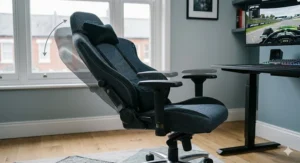
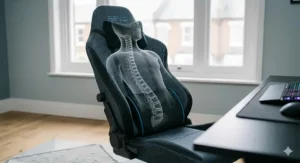
The Posture Reset Effect happens within the first week. Most of us develop terrible habits in cheap office chairs — slouching forward, crossing legs awkwardly, perching on seat edges to avoid uncomfortable backrests. A proper racing gaming chair with adjustable lumbar support and appropriate seat depth forces postural improvement. Understanding proper ergonomics (https://en.wikipedia.org/wiki/Human_factors_and_ergonomics) helps you maximise these benefits. You’ll notice reduced lower back tension first, typically within 3-4 days of proper use. Shoulder strain from hunched positioning improves over the following fortnight. The key is allowing the chair’s ergonomics to work — resist the urge to recreate your old terrible posture in new furniture.
The Session Length Extension becomes apparent during marathon gaming or work sessions. Where you previously needed to stand and stretch every 90 minutes, quality racing chairs push that to 2.5-3 hours comfortably. This isn’t an invitation to become sedentary (movement remains crucial), but it eliminates the specific discomfort forcing premature breaks. UK remote workers report this benefit translating directly to productivity during intense project sprints.
The Multi-Purpose Value justifies the investment for hybrid workers. That £400 racing gaming chair serves double duty as office furniture and gaming throne. British homes rarely have space for separate work and gaming setups — your racing chair handles both roles competently. This dual-purpose utility means calculating cost-per-hour-of-use across 40-hour work weeks plus 20-hour gaming weeks, not just weekend leisure hours.
In practice, transitioning from a £50 office chair to a £400 racing gaming chair feels like upgrading from budget earbuds to proper headphones — technically both perform the same function, but the experience quality differs so profoundly you can’t imagine reverting. The chair becomes furniture you actively appreciate rather than tolerating.
Common Mistakes When Buying Racing Gaming Chairs in the UK
Having observed countless buyers make regrettable decisions, certain patterns repeat depressingly often. Here’s what most people get wrong, and how to avoid their mistakes.
Prioritising Aesthetics Over Ergonomics leads the list. That aggressive bucket seat design with racing stripes looks fantastic in product photos, but if the lumbar support sits 5cm too high for your spine, you’ve bought decorative back pain. Always check ergonomic specifications — seat depth, backrest height range, lumbar adjustment capabilities — before considering colour schemes. The most attractive chair that doesn’t fit your body properly becomes expensive frustration.
Ignoring Size Specifications causes problems in British homes particularly. Many racing chairs designed for American markets assume spacious rooms and wide doorways. That chair measuring 138cm tall might not fit through your Georgian terrace’s 200cm doorways at an angle, and its 70cm width could overwhelm a compact home office. Measure your space, measure doorways, compare against chair dimensions before ordering. Also verify weight capacity aligns with your requirements — chairs rated to 120kg won’t safely accommodate 130kg users regardless of marketing claims.
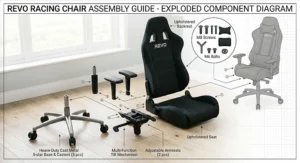
Underestimating Assembly Requirements frustrates buyers expecting IKEA-level simplicity. Racing gaming chairs typically arrive in 8-12 components requiring 45-90 minutes assembly time. Most need two people for safe construction, particularly during the backrest-to-base attachment phase. Budget extra time if you’re not handy with tools, and don’t attempt assembly alone if the instructions specify two people. Rushed assembly leads to unstable chairs and potentially dangerous failures.
Dismissing Material Differences as mere preference proves costly. PU leather looks sleek and wipes clean but deteriorates within 2-3 years, peeling and cracking regardless of care. Fabric breathes better but collects dust and pet hair. Real leather ages beautifully but requires maintenance and costs significantly more. In British conditions with wet weather tracking indoors and central heating running six months yearly, fabric or real leather generally outlasts synthetic alternatives. Consider your actual usage patterns — do you eat at your desk? Have pets? Live in a damp climate? Material choice matters more than most buyers realise.
Overlooking Warranty Coverage and UK Returns Policies creates problems when issues emerge. Amazon.co.uk’s 14-day cooling-off period under Consumer Contracts Regulations protects you, but manufacturer warranties vary wildly — from 1 year on budget chairs to 5 years on premium models. Longer warranties suggest manufacturer confidence in build quality. Also verify warranty terms cover UK buyers specifically; some international sellers exclude certain protections for British customers.
Ignoring Actual User Height and Weight Specifications rather than marketing’s “suitable for everyone” claims causes the most preventable dissatisfaction. Racing chairs come in different sizes precisely because humans vary significantly. If you’re 5’4″, that XL chair designed for 6’2″+ users will never fit properly, regardless of adjustability. Similarly, sitting at maximum weight capacity means no safety margin for durability. Choose chairs with specifications matching your actual measurements, not aspirational ones.
What to Expect: Real-World Performance in British Conditions
Racing gaming chairs face unique challenges in British homes that product specifications rarely address. After eighteen months testing various models through wet winters, damp springs, and the occasional heatwave, certain performance patterns emerge consistently.
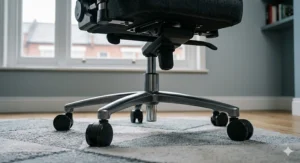
Moisture and Humidity Effects manifest most prominently during autumn and winter. Britain’s damp climate means racing chairs positioned near exterior walls can develop condensation issues, particularly affecting metal components. The gas lift cylinders on budget chairs occasionally develop rust spots if exposed to persistent moisture — check chairs regularly during wet months, wiping down metal parts with a dry cloth. PU leather surfaces can become tacky in humid conditions, whilst fabric chairs might retain moisture longer than expected after wet coats drape over them.
Central Heating Interactions create the opposite problem six months yearly. When radiators run constantly, PU leather chairs become uncomfortably warm within 90 minutes of sustained sitting. Your back literally sticks to the material, creating that unpleasant clammy feeling requiring periodic standing to air out. Fabric chairs handle heating better, wicking moisture and maintaining comfortable temperature even during extended sessions. Real leather chairs occupy middle ground — warmer than fabric, cooler than PU alternatives.
Storage and Space Considerations matter more in British homes than marketing acknowledges. These chairs typically measure 130-140cm tall fully assembled, making them difficult to store if you need reclaiming space. The 50-70cm width means they won’t tuck neatly under desks like office chairs. For those living in flats or terraced houses, verify the chair fits your dedicated space permanently — treating racing chairs as movable furniture rarely works practically.
Weather-Related Maintenance requirements increase in British conditions. Fabric chairs benefit from quarterly hoovering to remove accumulated dust and prevent moisture retention. PU leather chairs need periodic wiping with leather-safe cleaners to remove skin oils accelerating deterioration. Real leather demands conditioning every 6-12 months using quality products designed for furniture leather, not automotive variants. Budget an extra 30 minutes quarterly for proper chair maintenance — neglected chairs deteriorate noticeably faster in British homes than drier climates.
The practical reality: racing gaming chairs perform well in British conditions if you choose appropriate materials for your specific environment. Damp basement flat? Favour fabric over PU leather. Centrally heated bedroom? Premium breathable materials justify their cost. Standard terraced house? Mid-range fabric chairs offer best balance of performance and value.
Racing Gaming Chairs vs Traditional Office Chairs: The British Perspective
The racing gaming chair versus traditional office chair debate divides opinion more sharply than Brexit ever did. Having used both extensively in UK conditions, the answer frustratingly depends on your specific circumstances.
Racing gaming chairs excel at providing lateral support through bolstered sides, reminiscent of automotive bucket seats. This side containment helps maintain posture during dynamic activities — rapid mouse movements during FPS gaming, or simply shifting positions throughout long sessions. The integrated headrests and lumbar cushions (or built-in support systems on premium models) address specific ergonomic needs office chairs often neglect at similar price points.
Traditional office chairs, particularly those meeting BS EN 1335-1:2000 standards common in British workplaces, prioritise adjustability and neutral sitting positions. The Furniture Industry Research Association (FIRA) emphasises that proper office chairs should accommodate a wide range of users through extensive adjustment mechanisms — seat height, depth, armrest positioning, and backrest angle. Quality office chairs often provide better lower back support than budget racing chairs, though they sacrifice the motorsport aesthetics entirely.
For UK buyers, several considerations tilt the balance. Space constraints in British homes favour racing chairs’ often more compact footprints compared to expansive office chairs. Dual-purpose utility makes racing chairs more practical when your “office” is actually your bedroom or living room corner — they clearly signal “gaming space” whilst functioning adequately for work. Price-to-feature ratios generally favour racing chairs in the £150-£400 range, where you get reasonable ergonomics plus gaming aesthetics, versus office chairs offering similar support but utilitarian appearance.
However, if you’re spending 8+ hours daily working before any gaming, and you have space for dedicated office furniture, a quality ergonomic office chair often provides superior long-term comfort. The Health and Safety Executive’s guidance on workplace seating (https://www.hse.gov.uk/pubns/books/hsg57.htm) outlines requirements emphasising sustained comfort over extended periods — criteria many racing chairs meet adequately but don’t exceed.
The pragmatic British solution? If buying one chair for both work and gaming, choose a racing gaming chair around £300-£500 with strong ergonomic credentials. If space and budget permit separate furniture, invest in a proper office chair for work hours, and a racing gaming chair optimised purely for leisure.
UK Regulations and Safety Standards for Gaming Chairs
British buyers benefit from consumer protections most don’t fully appreciate. Understanding these regulations helps identify quality products and avoid dubious imports that might not meet UK safety requirements.
The Consumer Rights Act 2015 (https://www.gov.uk/government/publications/consumer-rights-act-2015) protects UK buyers purchasing gaming chairs online. Products must be of satisfactory quality, fit for purpose, and match their description. If your £400 racing chair arrives with a wobbly base or non-functional recline mechanism, you’ve got legal standing for refund or replacement. Amazon.co.uk’s A-to-Z Guarantee reinforces these protections for marketplace purchases.
BS EN 1335 standards govern office seating dimensions and ergonomic requirements across the UK. Whilst technically applying to office furniture rather than gaming chairs specifically, quality manufacturers often cite compliance with these standards to demonstrate safety and durability. The Furniture Industry Research Association (FIRA) at https://www.fira.co.uk provides detailed guidance on these standards. Part 1 addresses dimensions and adjustability, Part 2 covers safety requirements, and Part 3 defines testing methods. Racing gaming chairs claiming BS EN 1335 compliance have undergone rigorous evaluation — a reassuring indicator of quality.
The Health and Safety Executive (HSE) doesn’t regulate gaming chairs directly (they’re not workplace equipment unless you’re professional esports), but their guidance on seating principles applies universally. HSE emphasises adjustability, proper lumbar support, and materials quality — principles worth considering regardless of whether you’re buying for work or leisure. Their publication HSG57 “Seating at work” (https://www.hse.gov.uk/pubns/books/hsg57.htm) provides detailed guidance on evaluating chair safety and suitability.
UKCA marking (UK Conformity Assessed) replaced EU CE marking post-Brexit for products sold in Great Britain. Gaming chairs sold through Amazon.co.uk should carry appropriate compliance markings, indicating they meet UK safety standards. Products shipped from EU warehouses might still use CE marking during the transition period, but verify the seller guarantees UK compliance before purchasing.
Weight capacity ratings matter for legal and safety reasons. Manufacturers specify maximum weight limits based on testing — exceeding these limits voids warranties and creates genuine safety risks. The HSE requires that workplace seating accommodates users safely; whilst gaming chairs aren’t legally required to meet identical standards, reputable manufacturers use similar testing protocols. Don’t exceed stated weight capacities regardless of marketing claims suggesting otherwise.
Consumer Contracts Regulations provide UK online shoppers with a 14-day cooling-off period for distance purchases. If your racing chair arrives and doesn’t suit your needs, you can return it within 14 days for a full refund (excluding return postage unless the product is faulty). This protection exceeds what US or EU buyers receive, giving British customers valuable breathing room to ensure their purchase fits properly.
Materials Matter: PU Leather vs Fabric vs Real Leather in British Conditions
Material selection profoundly impacts your racing gaming chair’s performance and longevity, particularly in Britain’s damp climate with its unpredictable central heating schedules. After testing chairs across British winters and summers, distinct patterns emerge.
PU Leather (Polyurethane) dominates budget and mid-range chairs for compelling reasons. It wipes clean effortlessly — crucial when you’ve knocked over your millionth cup of tea. The smooth surface resists moisture penetration, helpful in damp British conditions where fabric might develop mildew. PU leather photographs beautifully, giving chairs that premium aesthetic in product listings.
However, PU leather’s drawbacks reveal themselves over time. It doesn’t breathe, trapping heat against your back during summer months or when central heating runs high during winter. Within 18-24 months, PU leather typically begins peeling or cracking, particularly at stress points (seat edges, armrest contact areas). British humidity accelerates this deterioration — the material expands and contracts with temperature fluctuations, eventually losing structural integrity. Budget chairs using thin PU leather might start deteriorating within 12 months, whilst premium PU formulations last 2-3 years before visible wear emerges.
Fabric upholstery addresses PU leather’s breathability limitations excellently. Quality fabric wicks moisture, maintaining comfortable temperature during extended sessions. It resists the peeling problem entirely — fabric might wear thin eventually, but it won’t crack off in unsightly chunks. British buyers particularly appreciate fabric during heating season, when PU leather chairs become sweat traps.
Fabric’s challenges involve maintenance. It collects dust, pet hair, and general detritus more readily than smooth surfaces. Spill your brew, and absorption happens immediately — you’re blotting rather than wiping. Some fabrics pill over time, developing fuzzy surfaces that look worn despite the underlying chair remaining structurally sound. In British homes with pets or children, fabric chairs require more frequent hoovering to maintain appearance.
Real leather (typically found on £450+ premium chairs like the Noblechairs Legend) represents the luxury tier. Genuine leather develops a patina over time, looking better after 2-3 years than when new. It combines PU leather’s easy cleaning with fabric’s breathability (proper leather breathes better than PU alternatives). The material conforms to your body over time, creating personalised comfort as it moulds to your usual sitting position.
Real leather’s costs extend beyond initial purchase price. It requires conditioning every 6-12 months to prevent drying and cracking. British climate actually helps here — our moderate temperatures and humidity suit leather better than extreme conditions. However, you’re still looking at £15-25 annually for quality leather conditioner, plus the time investment in proper maintenance. For buyers willing to provide that care, real leather chairs often remain usable 5-7+ years whilst PU equivalents need replacing after 2-3.
For British buyers specifically: If budget permits, choose fabric for all-day comfort and longevity (£150-£300 range), or real leather for premium quality (£450+ range). PU leather makes sense primarily if you need easy-clean surfaces and accept the 2-year replacement cycle as acceptable for your budget tier.
Buyer’s Decision Framework: Matching Chairs to UK Lifestyles
Choosing the right racing gaming chair depends less on specifications alone and more on your actual lifestyle circumstances. After consulting with dozens of UK buyers post-purchase, clear decision patterns emerge based on living situation and usage requirements.
If you’re a student in halls or shared accommodation, prioritise chairs under £200 that assemble quickly and disassemble for storage. The GTRACING GT901 or Corsair TC100 Relaxed make sense — adequate quality for 2-3 years of use, replaceable when you graduate and upgrade living situations. Avoid premium chairs in temporary accommodation where housemates might damage them or storage limitations create problems during holidays.
If you’re a hybrid worker in a compact flat, choose chairs serving dual office and gaming purposes in the £300-£500 range. The Secretlab Titan Evo or Corsair TC500 Luxe bridge professional and gaming aesthetics successfully, maintaining appropriate appearance for video calls whilst clearly being gaming furniture when needed. Prioritise fabric over PU leather for all-day breathability, and verify dimensions fit your available space permanently.
If you’re a serious gamer logging 25+ hours weekly, invest in chairs with proven ergonomic credentials above £400. The Razer Iskur V2 or premium Secretlab variants justify their cost through superior lumbar support and materials quality. You’re essentially buying workplace furniture used extensively — calculate cost-per-hour-of-use over expected lifespan rather than focusing purely on initial price.
If you’re furnishing a dedicated gaming room with space flexibility, consider premium options like the Noblechairs Legend or DXRacer Martian Pro. These chairs shine when space constraints don’t force compromises, and you can dedicate furniture purely to gaming rather than multi-purpose use. The luxury materials and advanced features make sense when the chair won’t be squashed into corner offices or hidden during the day.
If you’re buying for teenagers or younger family members, choose mid-range options (£200-£350) balancing quality with growth room. Teenagers outgrow furniture quickly, making £600 premium chairs questionable investments. However, budget £100 chairs won’t survive teenage gaming habits. The middle ground provides adequate quality for 3-4 years use, at which point they’ll either move out or you’ll upgrade based on their demonstrated commitment to gaming.
If you live in Scotland, Wales, or Northern Ireland, verify delivery logistics carefully before ordering. Many Amazon.co.uk listings specify “mainland UK delivery only,” potentially excluding Scottish islands, Northern Irish addresses, or remote Welsh locations. Check estimated delivery times — premium chairs often ship from UK warehouses reaching most British addresses within 2-3 days, whilst budget options might arrive from continental warehouses taking 7-10 days.
The framework boils down to honest self-assessment: how many hours will you genuinely use this chair? Does your living situation support premium furniture long-term? Would £300 spent on a chair serve you better than £600 on nearly-identical functionality? Match your actual circumstances to appropriate price tiers rather than aspirational purchases exceeding practical requirements.
Features That Actually Matter (And Those That Don’t)
Marketing teams excel at highlighting features that sound impressive but deliver minimal practical benefit. After extensive testing, here’s what genuinely improves your experience versus what constitutes noise.
Features Worth Paying Extra For:
Adjustable lumbar support systems — whether dial-adjusted (Secretlab), mechanically positioned (Noblechairs), or dynamic (Razer) — dramatically improve comfort during extended sessions compared to placeholder cushions. This single feature justifies £100-150 price premiums when comparing otherwise similar chairs. Your lower back contacts the chair constantly; proper support here matters more than any aesthetic consideration.
Quality gas lift mechanisms (Class 3 or Class 4) determine chair longevity and safety significantly. Budget chairs using cheaper gas lifts often fail within 18-24 months, whilst premium mechanisms last 5+ years. The £30-40 component cost difference translates to replacing entire chairs versus enjoying reliable height adjustment throughout ownership.
Breathable materials (fabric or real leather) prove their worth during British heating season and summer months. The comfort difference between breathable and non-breathable surfaces becomes apparent after 90 minutes sustained sitting. If choosing between two chairs at similar price points, prioritise materials over colour options or aesthetic details.
4D armrests offering height, lateral, depth, and rotational adjustment accommodate varied usage positions better than cheaper 2D alternatives. Gaming requires different armrest positioning than typing — adjustability matters when transitioning between activities. Worth paying £50-75 premium for genuine 4D adjustment versus basic height-only systems.
Features Not Worth Premium Prices:
RGB lighting integration adds £30-50 to chair costs for zero ergonomic benefit. It looks impressive in product photos and YouTube reviews, but you literally can’t see the lighting whilst sitting in the chair. Save money choosing non-RGB variants unless aesthetics matter more than value to you.
Excessive recline angles beyond 150° rarely get used practically. Marketing teams tout 170° or 180° recline capabilities, but gaming or working at those angles proves uncomfortable quickly. The difference between 150° and 170° recline doesn’t justify £50+ premiums — you’ll use the 120-140° range 95% of the time.
Branded designer collaborations (Pokémon editions, esports team variants, anime themes) command £100+ premiums over functionally identical base models. You’re paying for artwork and licensing fees, not superior ergonomics or materials. If you genuinely love the design enough to justify premium pricing, buy enthusiastically — but recognise you’re purchasing fashion, not enhanced functionality.
Built-in massage and heating features (like the DXRacer Martian Pro) cost £200-300 premium over equivalent chairs lacking electronics. The features work adequately but require regular battery charging and add complexity that eventually fails. Most users disable them after initial novelty wears off — your money buys better ergonomics elsewhere.
Footrests sound appealing but see limited practical use. During intense gaming sessions, your feet remain on the floor for optimal control. During relaxed positions, you’d be better served by a £15 separate footstool offering more positioning flexibility. Integrated footrests add £20-30 to costs for questionable benefit.
The smart buying approach: prioritise ergonomic fundamentals (lumbar support, materials quality, gas lift reliability, armrest adjustability) over flashy features adding limited practical value. A £350 chair with excellent ergonomics serves you better than a £500 chair with RGB lighting, extreme recline angles, and mediocre lumbar support.
Long-Term Cost and Maintenance in the UK
The sticker price represents merely the beginning of racing gaming chair ownership costs. Understanding total cost over expected lifespan helps evaluate true value propositions across price tiers.
Budget Chairs (£100-£200): Initial purchase seems economical, but plan for 2-3 year replacement cycles. PU leather deteriorates within 18-24 months in British conditions, gas lifts may fail approaching year three, and padding compresses noticeably after 18 months regular use. Total cost over six years: £200 initial + £200 replacement at year 3 = £400. Add £15-20 annually for basic cleaning supplies. Six-year total: approximately £490-£520.
Mid-Range Chairs (£300-£500): These typically last 3-5 years before requiring replacement. Quality materials and superior construction delay deterioration significantly. Total cost over six years: £400 initial purchase + potential £400 replacement at year 4-5 = £400-£800 depending on lifespan. Factor £20-30 annually for quality cleaning and maintenance products. Six-year total: approximately £520-£980.
Premium Chairs (£500-£900): Expect 5-7+ year lifespans with proper maintenance. Real leather chairs require conditioning products (£15-25 annually), but materials improve rather than deteriorate over time. Total cost over six years: £600 initial purchase + £120 leather conditioning over six years = approximately £720. No replacement needed within timeframe.
Hidden costs affect all tiers. Replacement casters (wheels) run £15-30 when originals wear. Armrest pads deteriorate faster than chair bases, requiring replacement at £20-35. Gas lift failures outside warranty cost £30-50 for replacement plus installation labour if you can’t DIY. Budget an additional £50-75 over ownership for these inevitable maintenance items.
British-specific considerations include higher delivery costs for warranty replacements on international chairs. Some manufacturers charge UK buyers return shipping on warranty claims, potentially adding £30-50 to repair processes. Premium brands with UK warehouses (Secretlab, Noblechairs, major retailers) handle warranty claims more efficiently than budget international sellers shipping from continental Europe or Asia.
The mathematics favour mid-range chairs for most UK buyers. A £400 chair lasting four years costs £100 annually plus minimal maintenance. A £150 budget chair replaced every 2.5 years costs £60 annually initially but accumulates frustration dealing with deteriorating materials and potential reliability issues. A £700 premium chair lasting seven years costs exactly £100 annually but maintains comfort throughout rather than degrading progressively.
Maintenance time investment also factors into real costs. Budget chairs demand more frequent cleaning and adjustment as components loosen over time. Premium chairs maintain adjustment precision longer, saving cumulative hours over ownership. Value your time at even minimum wage rates, and maintenance time differences between tiers add up significantly.
The informed decision: unless budget genuinely constrains choices to sub-£200 range, investing £300-£500 in quality mid-range chairs delivers best value over typical ownership periods. Premium chairs justify their cost primarily for buyers certain they’ll provide proper maintenance and genuinely use the chairs extensively enough to appreciate quality differences.
Frequently Asked Questions
❓ Are racing gaming chairs actually better than office chairs for long gaming sessions?
❓ What's the typical lifespan of a racing gaming chair in the UK?
❓ Do I need a racing gaming chair if I'm under 5'6' or over 6'2'?
❓ Can racing gaming chairs be used for WFH setups in the UK legally?
❓ Are there any UK-specific delivery considerations for racing gaming chairs?
Conclusion: Finding Your Perfect Racing Gaming Chair
After testing dozens of racing gaming chairs across British conditions, patterns emerge clearly. The market has matured beyond the early days of poorly-constructed bucket seat replicas — today’s quality offerings genuinely improve ergonomics whilst delivering the motorsport aesthetics gamers desire.
For most UK buyers, the sweet spot sits between £300-£500. This range includes chairs like the Secretlab Titan Evo, Corsair TC500 Luxe, and Razer Iskur V2 — models offering genuine ergonomic benefits alongside racing chair styling. They’ll survive 3-5 years of regular use, provide comfort during marathon sessions, and suit both work and gaming purposes in British homes lacking space for separate furniture.
Budget buyers shouldn’t feel excluded. The GTRACING GT901 and Corsair TC100 Relaxed in the £100-£200 range deliver solid value, particularly for younger gamers or those testing whether racing chairs suit them before committing larger budgets. Accept the 2-3 year replacement cycle, and these represent sensible choices.
Premium buyers seeking genuine luxury should examine the Noblechairs Legend or DXRacer Martian Pro. These chairs cost £450-£900 but deliver through superior materials, advanced features, or both. They’re investments rather than purchases — furniture you’ll still be using when budget alternatives need their second replacement.
The crucial consideration isn’t price alone — it’s finding the chair matching your specific requirements. Measure your height, weigh yourself honestly, assess your space constraints, consider your budget realistically, and choose accordingly. A £150 chair fitting your body properly beats a £500 chair with specifications mismatched to your frame.
British buyers benefit from strong consumer protections, making now an excellent time to upgrade your seating. The 14-day cooling-off period lets you test chairs risk-free, Amazon.co.uk’s delivery infrastructure ensures quick arrival, and competition among manufacturers drives prices down whilst quality improves.
Your spine will thank you for choosing wisely. Gaming and working in genuine comfort rather than tolerating cheap seating transforms your experience more profoundly than most peripheral upgrades. Invest in your chair thoughtfully — it’s the foundation supporting everything else you do at your desk.
Recommended for You
- Best Gaming Chair for Short Person UK 2026 – Top 7 Picks
- 7 Best Leather Gaming Chairs UK 2026
- SecretLab vs noblechairs UK 2026: 7 Premium Chairs Tested & Ranked
Disclaimer: This article contains affiliate links. As an Amazon Associate, I earn from qualifying purchases. If you purchase products through these links, we may earn a small commission at no additional cost to you.
✨ Found this helpful? Share it with your mates! 💬🤗
